





What is Plant Twine? A Complete Guide to Selecting, Specifications, Features, and Applications of Greenhouse Twine
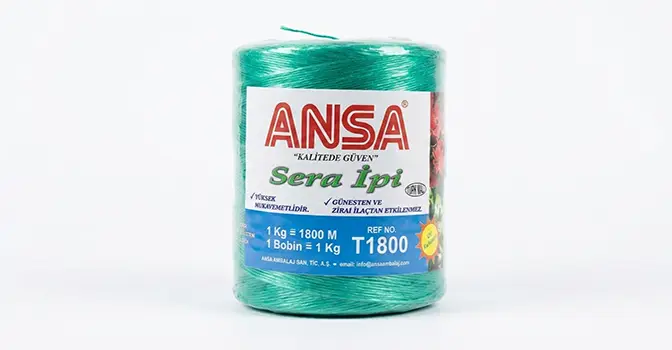
Greenhouse Twine Greenhouse twine is a type of UV-resistant polypropylene twine that is used to guide, support, and elevate greenhouse plants such as tomatoes, cucumbers, and peppers. This twine prevents stems from drooping and makes better use of greenhouse space.
This type of agricultural twine is usually produced from polymers such as polypropylene and, due to the use of anti-UV additives, has good resistance to direct sunlight, humidity, and greenhouse environmental conditions. The presence of these additives increases the durability of the twine during different cultivation periods and maintains its performance in bright environments.
Specifications of the plant yarn
The plant yarn is produced from high-quality polymer raw materials that are free from inferior recycled materials. The use of polypropylene as a raw material provides the product with low weight, adequate strength, and optimal moisture resistance.
In the production process of this product, standard machines are used to maintain the diameter, twist, and uniformity of the yarn throughout its length. The uniformity of the yarn structure ensures that the tension is distributed evenly along the length of the yarn during installation and use, resulting in optimal performance.
One of the most important features of this product is the presence of anti-UV materials or anti-UV yarn. These additives prevent the yarn from losing strength due to continuous ultraviolet radiation and increase its lifespan in a greenhouse environment.
In terms of mechanical strength, greenhouse twine has good resistance to tension, tearing, and abrasion. Its soft, fibrous structure also reduces direct pressure on the plant stem and reduces the likelihood of damage to plant tissue.
This product is produced in different thicknesses and sizes to suit the type of plant, crop weight, and growing conditions. Choosing the right thickness plays an important role in the proper functioning of the plant support system.
| Characteristic | Description |
|---|---|
| Yarn type | Polypropylene (PP) |
| Resistance | Resistant to UV and environmental conditions |
| Main application | Maintaining and guiding greenhouse plants |
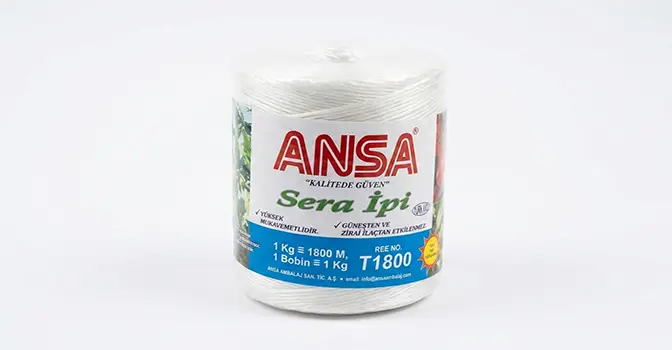
| Color | Usually white |
| Thickness | Depending on the type of crop and plant weight |
Characteristics of greenhouse twine
- No damage to the plant stem; the soft and uniform texture of the thread prevents local pressure, cuts, or abrasion on the stem.
- Moisture resistance; The product’s polymer structure prevents moisture absorption and prevents rotting or mold.
- Ability to be used in different cultivation periods; if properly maintained and disinfected, it is possible to reuse the thread in some cultivation periods.
- Multipurpose use; In addition to raising plants in greenhouses, this thread is also used in packaging, sewing sacks, crafts, and some industrial applications.
Advantages of using greenhouse twine
Increasing greenhouse productivity
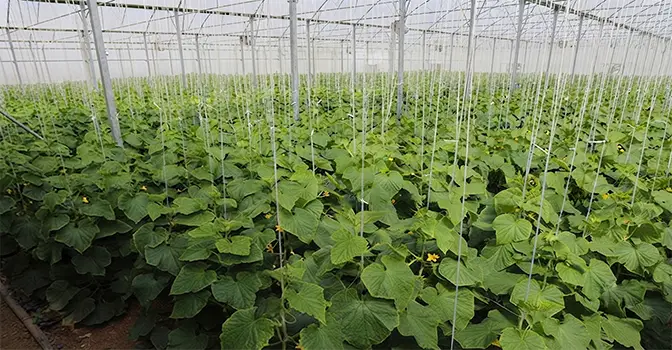
By guiding the plant upwards, plant twine allows for better use of the vertical space of the greenhouse and allows more plants to be grown in a limited space.
Improved exposure
Placing the stem and leaves in a more appropriate position allows for better light reception and more uniform plant growth.
Reduction of fungal diseases
Preventing leaves and fruit from coming into contact with the ground and increasing air circulation reduces the conditions for fungal growth.
Applications of greenhouse twine
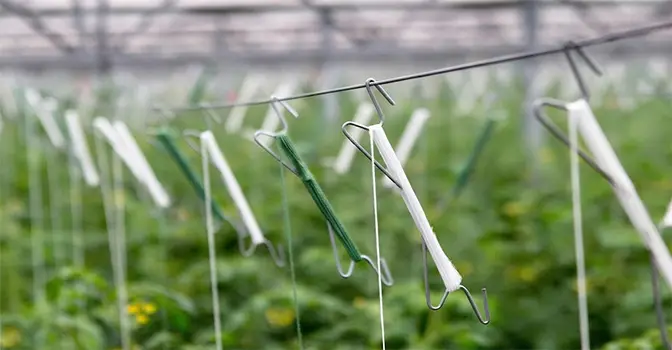
The main use of plant twine is to guide the growth and lift the plant in greenhouse systems. This twine, by connecting to the greenhouse structure and the retaining clamp, controls the growth path of the plant and prevents the stem from drooping or the fruit from touching the ground. This method is especially common in the cultivation of tomatoes, cucumbers, peppers and other vegetables.
Another application of plant support twine is in scaffolding systems and support structures. In this method, the twine, along with wire, clamps, or hooks, acts as part of the support system and transfers the weight of the plant to the structure.
This product is not limited to greenhouses. It is used in the packaging industry to close cartons and boxes, in the agricultural sector to sew the openings of potato, onion and other products sacks, as well as in some handicrafts, broom production and even some fishing equipment. Good resistance to stretching and moisture has increased the range of uses of this thread in various applications.
What should we pay attention to when buying greenhouse twine?
- Thread thickness: The thickness should be selected according to the type of plant and the weight of the fruit to prevent tearing or damage to the plant.
- UV resistance: Yarns with anti-UV additives are more durable against sunlight and are more suitable for long-term cultivation.
- Polypropylene material: Using high-quality raw materials increases the strength and longevity of the thread.
- Tensile strength: It must be able to bear the weight of the plant and fruit without deforming or tearing.
- Coil weight and gauge: Choosing the right gauge reduces the number of times you need to change the thread during the growing season.
- Brand and production quality: Products manufactured with high-quality and standard raw materials have better performance and durability.
Conclusion
Plant twine is a practical component in greenhouse equipment that is used to hold, guide, and lift plants in a variety of greenhouse crops. The production of this product from resistant polymers and the use of anti-UV materials ensure its durability in greenhouse environmental conditions.
Its tensile strength, softness, uniformity of structure, and usability in agricultural and industrial applications make it a suitable choice for plant support, greenhouse vegetable production, and other related applications. If you are planning to buy plant twine, it is best to choose a product that is made of high-quality polypropylene, has an anti-UV additive, and has adequate tensile strength to ensure optimal performance throughout the growing season.
Frequently Asked Questions about Greenhouse Twine
1- What is greenhouse twine and what is its use?
Plant twine or greenhouse twine is a type of durable polymer twine used to guide, maintain, and elevate greenhouse plants. This twine prevents the stems from drooping and helps to guide the plant upward, making optimal use of greenhouse space, improving light, and facilitating harvesting operations.
2- What products is greenhouse twine used for?
Plant twine is used in the cultivation of a variety of greenhouse crops such as tomatoes, cucumbers, peppers, eggplants, and other climbing plants. This twine prevents the plant from bending or breaking by properly maintaining the stem.
3- What is the difference between burlap and regular thread?
Plant twine is specially designed for greenhouse use and is highly resistant to stretching, moisture, and UV rays. It is also woven in a way that does not damage the plant stem, while regular twine may not be strong enough or cause pressure and damage to the plant.
To complete the plant maintenance system, specifications Plant Clips and Greenhouse metal hook Also check.


