




Greenhouse Plastic Repair Adhesive: A Comprehensive Guide to Selection, Technical Specifications, Applications, and How to Use
Plastic covering is one of the most important components of any greenhouse and plays a direct role in maintaining internal temperature, controlling humidity, transmitting light and protecting plants from environmental factors. These coverings are usually produced from special greenhouse nylons that, despite being resistant, may tear or puncture due to factors such as wind, collision with objects, stretching, gradual decay or adverse weather conditions. In such situations, rapid repair of damage is of great importance, because the spread of the tear can increase maintenance costs and reduce greenhouse efficiency.
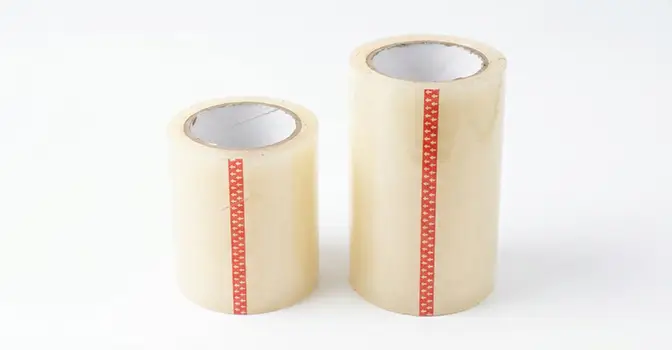
Greenhouse plastic repair adhesive Also known by names such as greenhouse nylon repair adhesive, greenhouse adhesive, greenhouse UV adhesive, greenhouse polyethylene adhesive, and nylon repair tape, it is a specialized product for repairing greenhouse plastic covers. This adhesive helps repair greenhouse nylon tears by creating a proper bond between damaged parts and prevents water, air, and pollution from entering the interior.
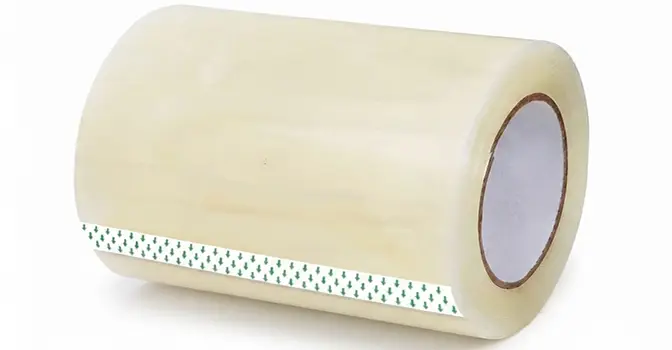
Using a greenhouse nylon repair adhesive is an economical way to extend the life of a greenhouse cover. In many cases, a spot repair using this product is much less expensive than a complete replacement of the nylon, allowing the operator to repair the damage without stopping greenhouse operations.
Since the greenhouse cover is responsible for maintaining the right environmental conditions for plant growth, any tear can cause heat to escape, cold air to enter, moisture to penetrate, increase energy consumption, and even insects to enter. For this reason, it is very important to repair the greenhouse nylon in the shortest possible time, and using the right adhesive can prevent the damage from spreading.
Technical specifications of greenhouse plastic repair adhesive
Understanding the technical specifications of greenhouse plastic repair adhesive plays an important role in selecting the right product. The performance of this adhesive largely depends on the type of raw material, thickness, degree of resistance to sunlight and the quality of the adhesive layer. Each of these characteristics can directly affect the durability of the repair and the longevity of the bond.
Polyethylene structure of greenhouse repair adhesive
Most types of polyethylene greenhouse adhesives are produced from polyethylene-based polymer films. Polyethylene is one of the most common polymers used in the production of greenhouse nylon and is a good choice for making this type of adhesive due to its good flexibility, moisture resistance, and compatibility with plastic coatings.
Using this material allows the adhesive to largely adapt to the natural contraction and expansion of nylon after installation and to perform well against temperature changes.
Quality and structure of the adhesive layer
The main part of the performance of greenhouse adhesive depends on the quality of the adhesive layer. This layer is responsible for creating a connection between the tape and the nylon surface and, if of the right quality, provides good resistance to moisture, temperature changes, and environmental factors.
The presence of dust, grease, or moisture on the nylon surface usually reduces the performance of this layer. For this reason, it is very important that the surface is clean before installation.
Resistance of greenhouse repair adhesive to UV rays
One of the most important characteristics of UV greenhouse glue is the presence of ultraviolet stabilizers. These substances prevent the polymer structure from being destroyed by continuous sunlight and prevent the glue from drying out, becoming brittle, and losing strength over time.
In general, the higher the UV protection, the longer the adhesive will last in areas with intense sunlight. This is especially important for greenhouses located in hot, sunny areas.
Thickness of greenhouse nylon repair adhesive
Thickness is another important parameter in choosing a nylon greenhouse repair adhesive. Some products on the market are around 165 microns thick, although this will vary depending on the manufacturer.
Thicker adhesives usually have greater mechanical strength and are more durable against tearing, stretching, and environmental factors. Conversely, increasing the thickness may cause a slight reduction in light transmission in some circumstances. Therefore, the selection of the appropriate thickness should be made according to the greenhouse conditions.
Dimensions, width and length of the adhesive roll
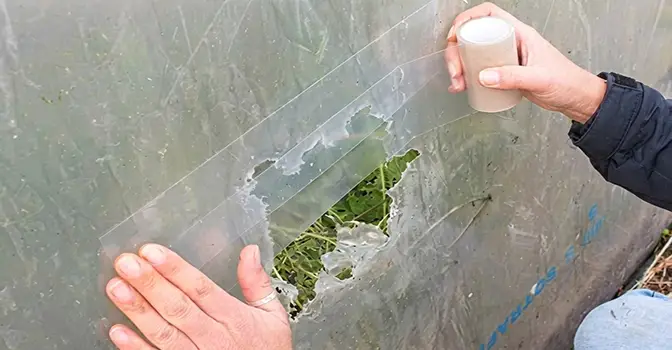
These products are often supplied in rolls. The typical length of many rolls is around 25 meters, and common widths include 10, 15, and 20 centimeters.
Choosing the right width depends on the size of the tear and the type of repair operation being performed on the greenhouse nylon tear. For small damages, a narrower width is usually sufficient, while larger tears require wider strips.
Resistance to water and humidity
One of the important features of greenhouse waterproof adhesive is its good resistance to water penetration. This feature ensures that the connection created is maintained in many environmental conditions and that the greenhouse nylon sealing operation is carried out with appropriate quality.
In locations where there is direct and continuous contact with water, it is usually recommended to use products with higher water resistance or combine adhesive with sealant.
Transparency and light transmission
Many types of transparent or translucent greenhouse adhesives are produced. This feature limits the amount of light entering the greenhouse and maintains the lighting conditions of the plants as much as possible.
In greenhouses where plants need more direct light, choosing clear adhesives is usually a better option.
Important tips for choosing and purchasing greenhouse nylon repair adhesive
Before purchasing nylon greenhouse repair adhesive, it is best to consider the following:
Paying attention to these specifications at the same time will make the product selection more in line with the actual needs of the greenhouse and increase the durability of the repair operation.
Applications of greenhouse plastic repair adhesive
Greenhouse plastic repair adhesive is used for the repair and maintenance of plastic covers and to repair local damage. The most important application of this product is to repair tears in greenhouse nylon. If small tears are not repaired in time, they usually become larger due to wind or mechanical stress, increasing the cost of repair. Using greenhouse nylon repair adhesive prevents the damage from spreading.
Another important application is sealing greenhouse nylon. At the junction of two pieces of nylon or at points where air can penetrate, using greenhouse adhesive reduces air exchange and maintains the internal conditions of the greenhouse.
This adhesive is also used to seal greenhouse nylon and prevent moisture from seeping through damaged areas. Other common uses include reinforcing vulnerable spots, covering small holes, repairing damage from impact, and preventing existing cracks from developing.
Also, in cases where immediate replacement of the cover is not possible, the use of nylon repair tape is used as a practical solution to maintain greenhouse performance.
Benefits of greenhouse plastic repair adhesive
Proper use of greenhouse plastic repair adhesive can reduce the cost of covering maintenance. The most important advantage of this product is the reduction in the need for complete replacement of the nylon. In many cases, spot repairs will allow the greenhouse covering to remain usable for a longer period of time and reduce operating costs.
Proper adhesion is one of the important advantages of these products. Proper bonding between the adhesive and nylon makes the repair site more resistant to environmental conditions and reduces the possibility of tear propagation.
Another advantage of polyethylene greenhouse adhesive is its flexibility. Since the greenhouse covering expands and contracts due to temperature changes, the adhesive must be able to keep up with these changes in order to maintain a stable bond.
Resistance to moisture and weather factors is another advantage of these products. This feature helps maintain the quality of greenhouse nylon repair in various environmental conditions.
Ease of use is also a major advantage of these adhesives. In most cases, installation can be done without specialized tools, and the damage can be repaired in just a few simple steps.
How to use greenhouse nylon repair adhesive
The correct use of greenhouse plastic repair adhesive has a direct impact on the quality and durability of the repair. Proper surface preparation and proper execution of the operation play an important role in increasing adhesion. The first step is to examine the damaged area. In addition to the main tear, it is best to check the area around it for small cracks, small holes, or stretch marks. This will allow all damaged areas to be repaired in one step and prevent the tear from spreading in the future.
Once the damage has been identified, the nylon surface should be thoroughly cleaned. The presence of dust, dirt, moisture, or oily contamination will usually prevent the adhesive from fully contacting the plastic surface and reduce the strength of the bond. If there is oily contamination, isopropyl alcohol can be used to clean and then allow the surface to dry completely.
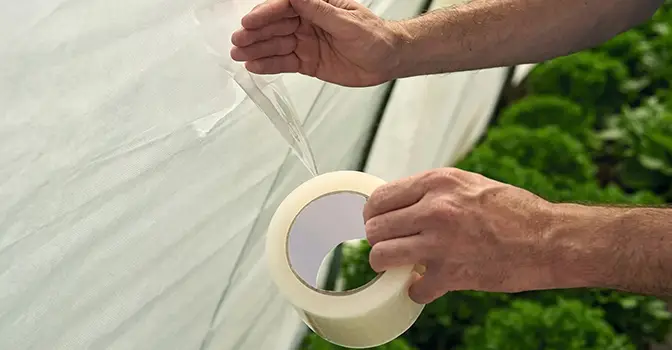
After preparing the surface, the nylon repair tape should be cut to the appropriate length. It is recommended that the length of the tape be a few centimeters longer than the tear on each side so that the applied pressure is not concentrated on the damaged area. This usually reduces the chance of the edges of the tape peeling off.
During installation, the adhesive should be applied without tension to the surface. Excessive tension on the tape during application may cause reduced adhesion or stress in the joint after temperature changes. Applying the adhesive slowly to the nylon will improve the quality of the bond.
After installation, apply even pressure to the entire surface of the adhesive using your hand or a plastic roller. This increases contact between the adhesive and the nylon and removes any air bubbles that may remain. Air bubbles may reduce the strength of the bond in the long term.
Timing is also important. In general, performing a nylon greenhouse repair in moderate weather and when the nylon is in its natural state will produce better results. In very hot weather, the nylon may expand excessively, and in very cold weather, its flexibility may decrease.
In some situations, especially for large tears or areas subject to greater stress, both sides of the nylon can be used to install the adhesive. This method usually provides greater strength and increases the strength of the repair site.
If the goal is to seal the greenhouse’s nylon or prevent direct water penetration, using a waterproof greenhouse adhesive and a sealant such as silicone or outdoor mastic at the same time can provide greater stability.
Important tips for repairing greenhouse nylon
Properly performing the repair operation is not limited to choosing the right adhesive, but following some practical tips can also increase the durability of the connection and prevent the need for repeated repairs.
It is recommended that the edges of the adhesive be rounded. Sharp corners are usually more prone to separation, while rounded edges provide better resistance to airflow and mechanical stress.
During installation, it is best to avoid repeated contact of fingers with the adhesive surface. The natural oils of the skin can reduce some of the adhesive strength and cause the edges of the adhesive to peel off prematurely.
In many cases, it is best not to apply heavy tension to the repair until shortly after installation. This allows sufficient time for the adhesive to bond fully to the nylon, increasing the final strength.
Periodic inspection of repaired areas is also an important step in maintaining greenhouse nylon. Regular inspection allows minor tears to be repaired before they become major tears.
Comparison of types or models of greenhouse plastic repair adhesive
Products available on the market vary in terms of technical specifications, quality, and price. The appropriate choice should be made based on climatic conditions, type of greenhouse, and practical needs.
In general, European products tend to be more resistant to sunlight and are a good choice for areas with high solar radiation. In contrast, many Turkish products strike a good balance between quality and cost and are suitable for general use.
Domestic products also meet the usual needs of greenhouse nylon repair in many cases and are used for local repairs or projects with budget constraints due to their competitive price. However, it is essential to check the technical specifications of each product before choosing, as the quality of different products can vary from one another.
| Features | European adhesives | Turkish adhesives | Domestic production |
|---|---|---|---|
| Common width | 10, 15 and 20 centimeters | 10, 15 and 20 centimeters | 10 and 15 cm (depending on production) |
| Typical thickness | About 150 to 200 microns | About 140 to 180 microns | About 120 to 170 microns |
| UV resistance | Top | Medium to high | Medium (depending on formulation) |
| Adhesion | Strong and stable | Suitable | Normal to adequate |
| Water resistance | Very good | Good | Good |
| Transparency | Usually high | Suitable | Depending on the type of product |
| Durability in environmental conditions | Top | Suitable | Dependent on build quality |
| Price | Usually more | Medium | Competitive |
| Suggested use | Areas with intense radiation and long-term use | Public and commercial greenhouses | Local repairs and economic applications |
Limitations of using greenhouse plastic repair adhesive
Despite its numerous benefits, greenhouse plastic repair adhesive does not perform the same in all conditions, and understanding its limitations helps in proper selection and use.
In extremely cold or extremely hot weather conditions, adhesive performance may be reduced. Extreme temperature changes can affect the flexibility of nylon and the quality of the bond. For this reason, it is important to choose a product that has the appropriate temperature range for the conditions in your area.
Also, in areas where there is a lot of mechanical stress, such as around fasteners, metal hooks, or structural attachment points, the use of adhesive alone may not be sufficient. In these situations, the use of appropriate reinforcements or the creation of a protective coating usually increases the durability of the repair.
For areas that are constantly exposed to direct water flow or misting, it is best to use a suitable sealant in addition to the greenhouse waterproof adhesive. This will increase the durability of the greenhouse nylon sealing operation.
It should also be noted that greenhouse nylon repair adhesive is designed to repair localized damage. If a large portion of the greenhouse covering has rotted, become brittle, or has multiple tears, in many cases, replacing the entire covering will be a more appropriate solution.
In general, the best greenhouse nylon repair adhesive is a product that simultaneously offers proper adhesion, high resistance to UV rays, flexibility, moisture resistance, proper transparency, and technical specifications appropriate for greenhouse conditions.
Frequently Asked Questions About Greenhouse Plastic Repair Glue
1- What is greenhouse plastic repair adhesive?
Greenhouse plastic repair adhesive is a special product for repairing tears, holes, and damage caused to nylon and plastic greenhouse covers.
2- What is the best way to use greenhouse plastic repair adhesive?
First, clean and dry the surface thoroughly, then apply the adhesive of the appropriate size to the damaged area and fix it on the surface with even pressure.
3- What should you pay attention to when buying greenhouse nylon repair adhesive?
Adhesive strength, UV and moisture resistance, thickness, dimensions, transparency, and compatibility with nylon are among the most important factors to consider when purchasing.
To view equipment related to greenhouse maintenance, see the section Greenhouse equipment Check it out.


