




Greenhouse shade (canopy net); the best solution for controlling light and increasing greenhouse productivity
Today, proper management of light, temperature, and humidity is considered one of the most important factors for success in greenhouses and gardens. Increasing air temperatures, intense solar radiation, and decreasing water resources have led to the use of Greenhouse shade It has become one of the most essential agricultural equipment. In fact, if sunlight enters the greenhouse without control, in addition to increasing the ambient temperature, it will cause a decrease in product quality, increased water evaporation, sunburn of leaves, and a decrease in production efficiency.
In such conditions, the canopy net provides ideal conditions for plant growth by creating controlled shade. In addition to reducing the ambient temperature, this product adjusts the amount of incoming light according to the needs of each plant and prevents heat stress. For this reason, many industrial greenhouses, professional gardeners and agricultural producers use greenhouse canopy nets as one of the most important climate management equipment.
What is a greenhouse shade?
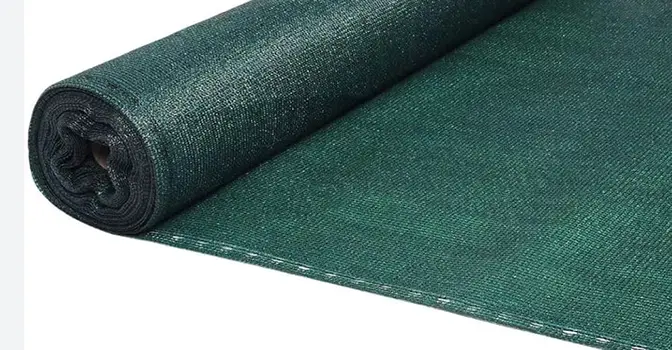
Greenhouse shade, also known as canopy netting, shade netting, shade netting, canopy netting, and greenhouse netting, is a type of polyethylene mesh netting designed to control the intensity of sunlight, reduce ambient temperature, and protect plants from harmful ultraviolet rays.
The mesh structure of this product allows some sunlight to be filtered, but still allows good airflow, making the greenhouse shade a much more efficient option than traditional plastic or fabric covers.
Today, most manufacturers use polyethylene canopy netting because polyethylene, in addition to being lightweight, has high resistance to moisture, chemicals, rainfall, wind, and temperature changes. Also, the use of anti-UV additives has made the UV greenhouse shade more durable against direct sunlight.
Main features of greenhouse canopy netting
Greenhouse canopy netting has several technical features that make it suitable for controlling light and environmental conditions. The most important features of greenhouse netting include the following:
- Made from high-quality, durable polyethylene
- Has a UV protective layer to extend its lifespan.
- High resistance to sunlight, moisture and chemicals
- Light weight and easy to transport
- Ability to be installed on various greenhouse structures
- Good resistance to wind, hail and birds
- Proper airflow and prevention of heat buildup
- Production in different shading percentages
- Possibility of use in agricultural, industrial and domestic spaces
- Typical lifespan between 5 and 8 years (depending on product quality)
Additionally, many modern awning nets are manufactured with raschel weave technology, which increases strength, reduces tearing, and distributes tension evenly across the surface of the net. This feature is especially important in windy areas.
Why is it important to use a greenhouse shade?
When greenhouse temperatures exceed 35 to 40 degrees Celsius, many plants experience heat stress. In these conditions, the rate of photosynthesis decreases, water evaporation increases, and the plant spends a large part of its energy fighting the heat. The result of this process is reduced growth, reduced quality, and reduced crop yield.
Benefits of greenhouse shade
In addition to protecting plants, using a greenhouse shade also improves the economic performance of the greenhouse. Many professional growers believe that the cost of purchasing this product is compensated in a short time through reduced water consumption, increased product quality, and reduced heat damage.
The most important benefits of a greenhouse shed are:
– Reducing ambient temperature
One of the most important benefits of canopy netting is reducing the temperature in the greenhouse. In many situations, this product can reduce the ambient temperature by about 10 degrees Celsius, providing suitable conditions for plant growth.
– Reducing water consumption
Reducing the intensity of sunlight reduces water evaporation from the soil surface and plant leaves. For this reason, using greenhouse shade in many gardens and greenhouses can reduce water consumption by about 30%.
– Increasing product quality
Plants grown under controlled light typically produce fruits of better color, size, and quality. The likelihood of cracking, burning, and flower drop is also significantly reduced.
– Protection against UV rays
In addition to protecting plants, using UV greenhouse shade also increases the durability of the net itself. This feature prevents the product from becoming brittle or rotting in the presence of intense sunlight.
– Reducing production costs
Since this product reduces water and energy consumption, the greenhouse’s running costs will also be lower. As a result, the economic efficiency of the complex will increase.
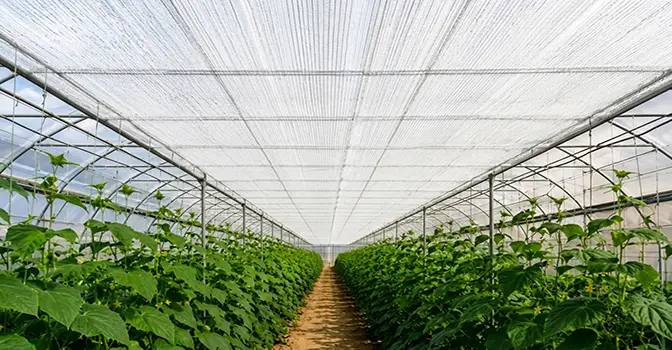
Use of canopy netting; Why is this product not just for greenhouses?
Although the main use of shade netting is in greenhouses, today this product is used in many areas of agriculture, horticulture, animal husbandry, aquaculture, industries, and even urban spaces. The reason for this is the high ability of shade netting to control light, reduce temperature, and protect the environment from adverse weather conditions.
The most important uses of awning netting
1. Greenhouse climate management
The most important use of greenhouse canopy netting is to regulate the environmental conditions inside the greenhouse. This product reduces the ambient temperature and prevents heat stress by controlling the intensity of sunlight.
2. Protecting gardens
In recent years, many gardeners have been using shade nets to prevent fruit from sunburn. Intense sunlight can cause brown spots, reduce marketability, and degrade the quality of the produce.
Using canopy netting in gardens has the following benefits:
- Preventing sunburn on fruits
- Reducing heat stress in trees
- Reducing water evaporation
- Protection against hail and wind
3. Nurseries and seedling production centers
Young seedlings and transplants are very sensitive to intense light. For this reason, using a greenhouse shade provides plants with more suitable conditions in the early stages of growth.
4. Livestock and poultry farms
In livestock units, increased ambient temperatures cause reduced livestock appetite, decreased milk production, and increased animal stress. By creating shade, canopy netting provides a cooler environment and increases livestock welfare.
5. Fish farming ponds
Greenhouse canopy netting also plays an important role in aquaculture. Reducing water temperature, preventing excessive algae growth, and reducing evaporation are among the benefits of using this product in fish ponds.
6. Parking lots and open spaces
Today, awning netting is also used to cover car parking lots, home yards, sports fields, recreation centers, and industrial spaces.
Its advantages include:
- Prevent the car from overheating
- Protecting the body paint
- Reducing direct sunlight
- Increasing people’s comfort
Greenhouse shade percentage; how to choose the best option?
One of the most important criteria for choosing a canopy net is the percentage of shading the greenhouse shade provides. This number indicates how much sunlight is filtered by the net.
For example:
- A 30% shade means about 70% of the light passes through.
- A 50% shade means that half of the sunlight is filtered.
- An 80% shade means that only 20% of the light will enter the environment.
- The higher this number, the greater the amount of shadow.
Choosing the right percentage of greenhouse shade
Choosing the right shade percentage for a greenhouse depends on various factors:
- Plant type
- Planting season
- Radiation intensity of the area
- Greenhouse structure type
- Ambient temperature
Typically:
- 30 percent: suitable for vegetables and light-loving plants
- 50 percent: Suitable for most public greenhouses
- 60 to 70 percent: Suitable for ornamental plants and warm regions
- 80 percent: Suitable for very hot areas or industrial applications
Choosing the wrong percentage may reduce plant growth or reduce product quality; therefore, it is recommended to check the needs of your plants before purchasing.
| Shading percentage | Application |
|---|---|
| 30% | Vegetables |
| 50% | Public greenhouse |
| 60% | Ornamental flowers |
| 80% | Animal husbandry |
Installing awning netting; important tips for increasing durability and performance
Installing a canopy net is as important as choosing the product. Even if you purchase the best net, improper installation can reduce its useful life and performance.
The following should be checked before installation:
- Exact installation location
- Structural dimensions
- Direction of the sun’s rays
- Wind direction
- Number of connections required
Important points when installing awning netting
- Do not install the net fully stretched and allow some freedom for expansion and contraction.
- Use standard clamps and fasteners.
- Install the netting at an appropriate slope so that rainwater does not collect on it.
- Avoid direct contact of the net with sharp metal edges.
- In windy areas, use appropriate bracing.
- In certain projects, using two layers of mesh may provide better performance.
Proper installation will extend the life of the shade net and reduce maintenance costs.
Important points about greenhouse shade
The effect of greenhouse shade on photosynthesis
Greenhouse shading reduces the intensity of direct sunlight, spreading light more evenly across the plant surface. This prevents heat stress and stomatal closure, and helps maintain photosynthesis. In many plant species, light control improves growth and increases crop quality.
The effect of greenhouse shading on soil temperature
Greenhouse shade prevents excessive soil temperature rise by blocking direct sunlight. Reducing ambient temperature and controlling incoming heat provides more suitable conditions for root activity and water and nutrient absorption. As a result, plants will face less heat stress.
The difference between greenhouse shade and greenhouse plastic
A greenhouse shade is a mesh net that reduces light intensity while also allowing for proper air circulation. In contrast, greenhouse plastic provides almost complete coverage and is used more to maintain temperature and prevent the intrusion of environmental factors. For this reason, greenhouse shade is used more to control light and heat during warm seasons.
The difference between awning netting and anti-hail netting
Shade netting is designed to reduce sunlight intensity, control temperature, and provide shade, while hail netting is designed to protect crops from hail. Although shade netting also provides some protection from hail, its primary purpose is to regulate light and reduce heat stress.
The best greenhouse shade color
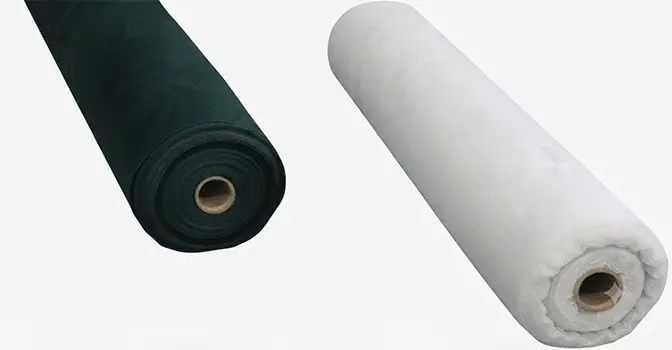
The choice of shade color depends on the type of plant, radiation intensity, and purpose of use, and one color cannot be considered the best option for all greenhouses.
| Color shade | Application |
|---|---|
| Green | General use |
| Black | Severe reduction in light |
| White | More light reflection |
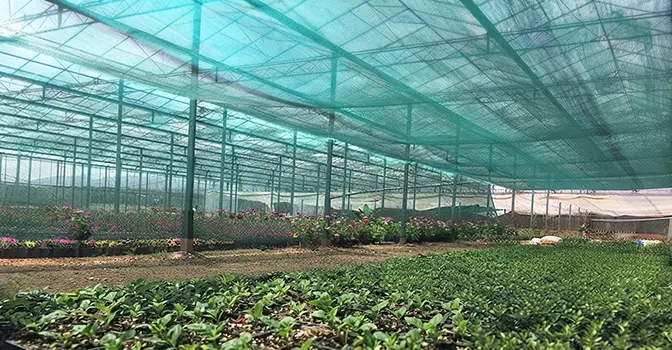
How to maintain awning netting
To extend the life of the awning net, it must be installed correctly and at the right slope so that rainwater and snow do not accumulate on its surface. Also, using proper connections and preventing the net from coming into contact with sharp edges prevents it from being damaged and torn. Proper installation plays an important role in maintaining the durability of the product.
Time to replace awning netting
The timing of replacing awning netting depends on the quality of the raw materials and their resistance to UV rays. Typically, high-quality polyethylene netting has a useful life of between 5 and 7 years, and in some models with UV additives, this period can reach more than 8 years. Reduced strength, tearing or loss of shading performance are signs that it is time to replace the netting.
Factors affecting the price of awning netting
One of the most common questions buyers have is about the price of awning netting. This product is produced in different models and its price depends on several factors.
The most important factors affecting the price of awning netting
- Quality of raw materials
- Type of polyethylene used
- Presence of UV protective layer
- Shading percentage
- Weave density
- Weight per square meter
- Roll width
- Roll length
- Net colour
- Manufacturer brand
- Country of Origin
Typically, nets with high-quality UV, higher density, and longer service life are more expensive, but in the long run, they will be a more economical choice due to their greater durability.
Important points when buying awning netting
To get the most out of your purchase, it’s best to look beyond price alone. The quality of the product, its durability, and its suitability for the project’s needs are far more important.
When buying awning netting, consider the following:
- Choose the appropriate shading percentage.
- The product has UV protection.
- Made from high-quality polyethylene
- Have uniform tissue density
- The roll width should be selected according to the project.
- Calculate the required dimensions accurately.
- Ask the seller about the actual lifespan of the product.
- If needed, seek expert advice.
Paying attention to these items will reduce repair and replacement costs in the coming years and increase your return on investment.
Conclusion
Greenhouse shade or greenhouse canopy netting is one of the most important equipment for the professional management of greenhouses, gardens, and many outdoor spaces. This product plays an important role in increasing the quality and quantity of agricultural products by controlling sunlight intensity, reducing ambient temperature, maintaining humidity, and protecting plants from heat stress.
In addition, using polyethylene canopy netting with a UV protective layer increases the product’s lifespan and reduces maintenance costs. The correct selection of the greenhouse shade percentage, the quality of the raw materials, and the principled implementation of the canopy netting installation also have a direct impact on the performance and durability of this product.
If your goal is to reduce production costs, better manage water consumption, increase productivity, and protect products from adverse environmental conditions, choosing a quality canopy net can be a valuable investment for your collection.
Frequently Asked Questions About Greenhouse Shade
1- What is a greenhouse shade?
Greenhouse shade or canopy netting is a type of polyethylene mesh netting used to control sunlight intensity, reduce ambient temperature, and protect plants from ultraviolet (UV) radiation. This product is widely used in greenhouses, gardens, and other agricultural spaces.
2- What is the best percentage of shading for a greenhouse?
The selection of shading percentage depends on the type of plant, the intensity of sunlight, and the climatic conditions. Shade nets are usually offered in percentages of 30, 50, and 80 percent and should be selected according to the plant’s needs.
3- What is a UV greenhouse shade?
UV greenhouse shade is a type of canopy netting that is produced with UV-resistant additives. This feature increases the lifespan of the netting and maintains its quality against direct sunlight.
To review other equipment needed for greenhouse management and maintenance, see the section Greenhouse equipment See.


