




What is peat moss? A complete guide to peat moss soil, types, applications, benefits and how to use it
Peat moss is a type of organic material that is formed from the semi-decomposed remains of Sphagnum moss in swampy environments. It is considered one of the best growing media in agriculture and greenhouses due to its high moisture retention, proper ventilation, and increased soil organic matter.
Among the various types of growing media, peat moss holds a special place. This natural material has become one of the most widely used materials in the agricultural and horticultural industry due to its high ability to retain soil moisture, increase water retention capacity, improve soil drainage, and increase soil ventilation. In addition, peat moss soil provides an ideal environment for plant root growth due to its fibrous structure, light weight, and high organic matter content.
In the rest of this article, we will discuss in detail peat moss soil, its formation, types, and its differences from CocopeatYou will learn about its physical and chemical properties, benefits, and applications.
What is peat moss?
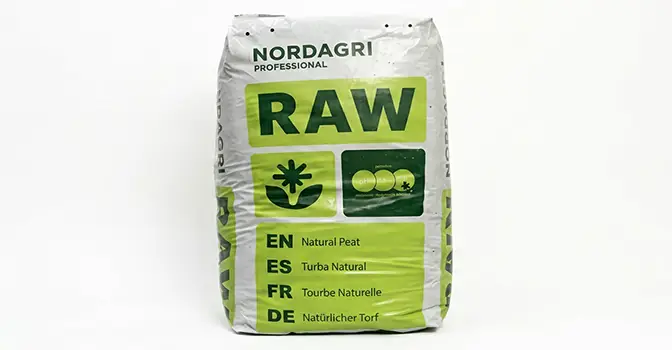
If we want to better explain what peat moss is, it should be said that this material is a completely organic growing medium that is formed from undecomposed or semi-decomposed plant remains, especially Sphagnum moss, in very humid, cold, and oxygen-free environments.
In other words, peat moss is a type of peat that is made up of a high percentage of sphagnum moss remains. This makes its physical and chemical properties different from other types of peat.
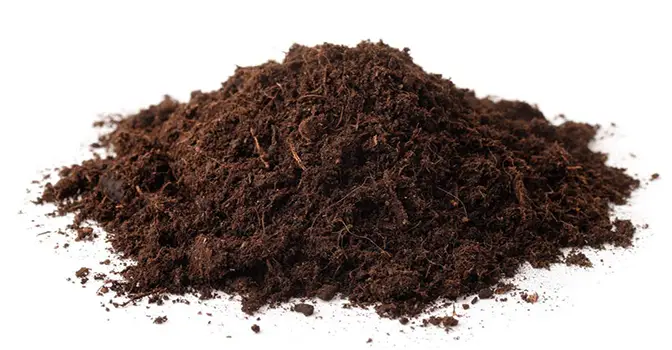
This material has a soft, light, fibrous, and spongy texture and can store a large amount of water. Therefore, it is one of the best options for use in all types of growing media, seedling production, seed planting, and soilless cultivation systems.
Origin of peat moss soil formation
To better understand the properties of this material, we must first understand how peat moss soil is formed.
In very wet, swampy, and cold areas, various plants, especially sphagnum moss, grow. After the life cycle of these plants ends, their remains accumulate in an environment with very little oxygen.
Under normal conditions, plant remains are decomposed by microorganisms; however, in cold swamps, the rate of decomposition is greatly reduced due to lack of oxygen, low temperatures, and very high humidity.
As a result, over hundreds to thousands of years, these remains turn into a fibrous, organic-rich soil material known today as peat moss.
For this reason, the natural formation of this material is very time-consuming and, from the perspective of many experts, it is considered a resource with a very slow renewal rate.
In which regions of the world is peat moss found?
Peat moss forms most often in areas with long winters, short summers, abundant rainfall, and marshy lands.
The most important peat moss producing countries are:
- Canada
- Russia
- Finland
- Sweden
- Norway
- Estonia
- Ireland
- Germany
In addition, there are limited reserves of this material in parts of New Zealand, southern Chile, Argentina and the island of Tasmania. The largest global reserves of peat moss are located in Russia and Canada, and the majority of products on the world market are also supplied from these countries.
The difference between peat moss and peat
One of the most common questions is, is peat moss the same as peat? The answer is no. Peat is a general term for partially decomposed plant remains in swampy environments, but peat moss is only one type of peat.
The main difference between the two is in their composition. In peat moss, there is a very large amount of sphagnum moss residue, which increases water holding capacity, increases porosity, and improves soil aeration.
Therefore, it can be said:
- All peat moss is a type of peat.
- But not all immature coal is considered peat moss.
This same characteristic has given peat moss greater economic and agricultural value than many types of peat.
Physical and chemical properties of peat moss soil
Before examining the use of peat moss, it is best to familiarize ourselves with its technical characteristics.
This material has the following characteristics:
- Very light and spongy texture
- Specific gravity of about 380 kilograms per cubic meter
- Water holding capacity up to 20 times its dry weight
- Soil acidity (pH) is usually between 3.5 and 6.
- High cation exchange capacity (CEC)
- High amount of organic matter
- Weed seed-free
- Free from many pathogens
The difference between peat moss and coco peat
One of the most important comparisons to make when choosing a growing medium is the difference between cocopeat and peat moss. Cocopeat is made from coconut husk fibers, while peat moss is completely natural and marshy in origin.
There are also differences in properties between the two. Peat moss has a higher organic matter content and is a great choice for soil amendment. It is also more acidic and is a great choice for acid-loving plants like azaleas, blueberries, and gardenias. Cocopeat, on the other hand, has a near-neutral pH, is a renewable resource, and usually provides better aeration.
For this reason, in many professional substrates, these two materials are combined with perlite and compost to provide the best growing conditions for the plant.
| Features | Peat Moss | Cocopeat |
|---|---|---|
| Origin | Sphagnum moss | Coconut shell |
| pH | Acidic | Near neutral |
| Water conservation | Very much | A lot |
| Ventilation | Good | Very good |
| Renewable | Low | A lot |
Types of peat moss
Peat moss types are categorized based on their decomposition rate, color, physical structure, and location of harvest. Each type has different characteristics and is used for specific applications in agriculture, horticulture, and growing media production.
Understanding the types of peat moss helps in choosing the right one for different plants, as each plant requires different conditions in terms of soil moisture retention, soil aeration, and soil acidity (pH).
– White peat moss
White peat moss, which is actually light brown in color, has the least amount of decomposition and is harvested from the surface layers of peatlands. This type has long fibers, abundant air pores, and a high oxygen retention capacity. For this reason, it is considered the best option for sowing seeds, producing seedlings, propagating plants, and growing sensitive plants.
It is worth noting that the presence of beneficial microorganisms such as Trichoderma and Streptomyces in this type of peat moss can reduce the likelihood of some root diseases.
– Brown peat moss
Brown peat moss is moderately decomposed and provides a good balance between water holding capacity and aeration, making it a popular choice in many ready-made soil mixes.
– Black peat moss
Black peat moss, harvested from deeper layers, is the most decomposed and is considered the richest type of soil organic matter. It has a very high ability to absorb and retain water and is most often used to amend soil, increase organic matter, and improve poor soils.
Classification based on the degree of decomposition
Peat mosses are also classified based on the degree of decomposition, which is usually determined by the Von Post scale.
- H1 to H2: Very low resolution
- H3 to H4: Low resolution
- H5 to H6: Medium decomposition
- H7 to H8: High decomposition
- H9 to H10: Completely decomposed
In general, types H1 to H6 are more suitable for producing seedlings, greenhouse beds, and ornamental plants.
Application of peat moss
The use of peat moss is very widespread and is used today in almost all branches of modern horticulture and agriculture. In addition to being a suitable growing medium, this material plays an important role in improving soil structure and increasing the quality of plant growth.
The most important uses of peat moss are:
– Seedling production
One of the most important uses of peat moss soil is the production of various types of seedlings. Transplanting trays Due to its sterility, lightness, high water retention capacity, and proper ventilation, the roots of the seedlings grow easily and the germination percentage increases.
– Planting seeds
When planting seeds, using peat moss helps maintain the moisture needed by the seeds for a long time and provides suitable conditions for germination.
– Houseplants
Peat moss is one of the most important components of the soil mix for many houseplants. Its presence lightens the soil, increases drainage, and prevents compaction around the roots.
– Soil amendment
Another of the most important uses of peat moss is as a soil amendment. In clay soils, it increases porosity and improves aeration, and in sandy soils, it significantly increases water holding capacity.
– Soilless cultivation and hydroponics
In many soilless and hydroponic growing systems, peat moss is used as a primary component of the growing medium. Because it is free of pathogens and weed seeds, it creates a healthy environment for root growth.
– Mushroom production
In the mushroom growing industry, peat moss is also used as a cover soil because it retains moisture well and provides suitable conditions for mushroom growth.
Benefits of peat moss
The benefits of peat moss are not limited to moisture retention, but this material provides the plant with a range of valuable properties.
- Increased water retention capacity: Peat moss can absorb about 20 times its dry weight of water and gradually make it available to the roots.
- Improving soil structure: Its abundant fibers reduce soil density and increase permeability.
- Improves soil ventilation: The empty space between particles increases oxygen around the roots and improves plant growth.
- Increasing soil organic matter: The presence of a large amount of organic matter increases soil fertility and the activity of beneficial microorganisms.
- High cation exchange capacity (CEC): This feature ensures better retention of nutrients and their gradual release to the plant.
- Pathogen-free: Peat moss is usually free of pathogenic fungi, weed seeds, and many pests.
- Light weight: Easy transportation and reducing the weight of the pots are other advantages.
- Prevents soil erosion.
- Increases the durability of the planting bed.
- It can be combined with many materials such as cocopeat, perlite, and compost.
- It is very suitable for acid-loving plants such as blueberries, azaleas, gardenias, and rhododendrons.
- It is widely used in the production of organic products.
- Prevents rapid leaching of fertilizers and increases fertilizer use efficiency.
How to use peat moss
The method of using peat moss varies depending on the type of plant and the purpose of cultivation. In general, it is recommended to mix this material with other components of the growing medium.
Some common ratios are:
- Two parts soil + one part peat moss for planting seedlings
- 50 to 70 percent peat moss + perlite for seedling production
- Peat moss, cocopeat and perlite mix for houseplants
- Combine with compost to increase nutrients
In many seedling production greenhouses, a mixture of 60% peat moss, 30% coco peat, and 10% perlite is one of the most common growing medium compositions due to its good balance between moisture retention and ventilation.
It is also better to moisten peat moss slightly before use to increase its water absorption capacity.
Buy peat moss
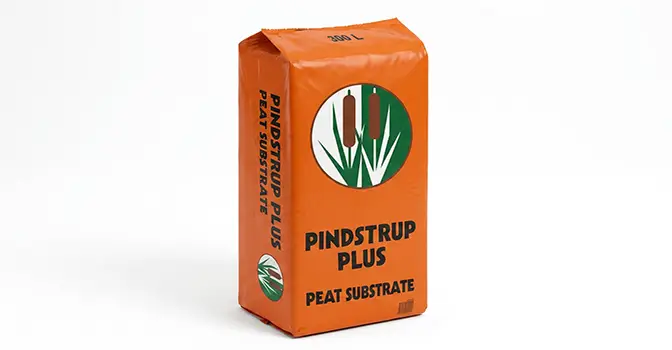
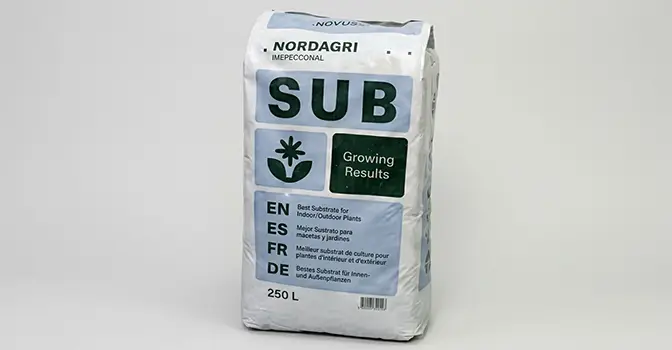
In time Buy peat moss It is better not to focus only on the brand or the country of manufacture. Quality, particle size, degree of decomposition, water retention capacity, organic matter content and type of packaging are the most important selection criteria. Most products on the market are offered in 25, 50 and 70 liter packages or large greenhouse packages.
Peat moss price
The price of peat moss depends on several factors, including:
- Peat moss type
- Decomposition rate
- Processing quality
- Country of origin
- Packaging volume
- Import and transportation costs
For this reason, the prices of products available on the market may differ significantly from each other.
Pete Moss’s replacement
Due to environmental concerns, many producers are looking for alternatives to peat moss.
The most important alternatives are:
- Cocopeat: A renewable option with high water retention capacity and good ventilation.
- Compost: A rich source of nutrients and suitable for soil amendment.
- Vermicompost: Contains abundant organic matter and absorbable nutrients.
- Leaf mulch: An economical option for many gardening applications.
- Biochar: Suitable for improving soil structure and increasing water productivity.
Conclusion
Peat moss is one of the most valuable organic materials used in agriculture, horticulture, and the production of growing media. It provides ideal conditions for plant growth by increasing water retention capacity, improving soil structure, increasing soil aeration, and providing a large amount of soil organic matter. Although its acidity, relatively high cost, and non-renewability are some of its most important limitations, when used properly and combined with materials such as cocopeat, perlite, and compost, it can perform very well in seedling production, soilless cultivation, hydroponic systems, houseplants, and a variety of greenhouse crops. For this reason, choosing the right type of peat moss and knowing how to use it will play an important role in increasing the quality of plant growth and the productivity of cultivation systems.
Frequently Asked Questions about Pete Moss
1- What is peat moss and what is its use?
Peat moss is a type of organic material and growing medium that is mainly composed of the semi-decomposed remains of Sphagnum moss in swampy environments. Due to its high water-holding capacity, light weight, good ventilation, and fibrous structure, it is used for producing seedlings, planting seeds, houseplants, soil amendments, and some soilless cultivation systems.
2- What is the difference between peat moss and coco peat?
Peat moss is formed from the remains of sphagnum moss in swampy environments, while cocopeat is obtained from coconut husk fibers. Peat moss is usually more acidic and rich in organic matter, but cocopeat is a renewable resource and usually provides good aeration. The choice between the two depends on the type of plant and growing conditions.
3- How much water does peat moss hold?
Peat moss has a very high water retention capacity and can absorb about 20 times its dry weight in water. This property allows moisture to be retained around the roots for a longer period of time and the growing medium to dry out more slowly.


